Google Ads vs Social Media Ads: Which Is Better for Your Business in 2026?
Compare Google Ads and social media advertising to understand their costs, benefits, targeting options, and performance. Discover which advertising strategy is suitable for your business in 2026.
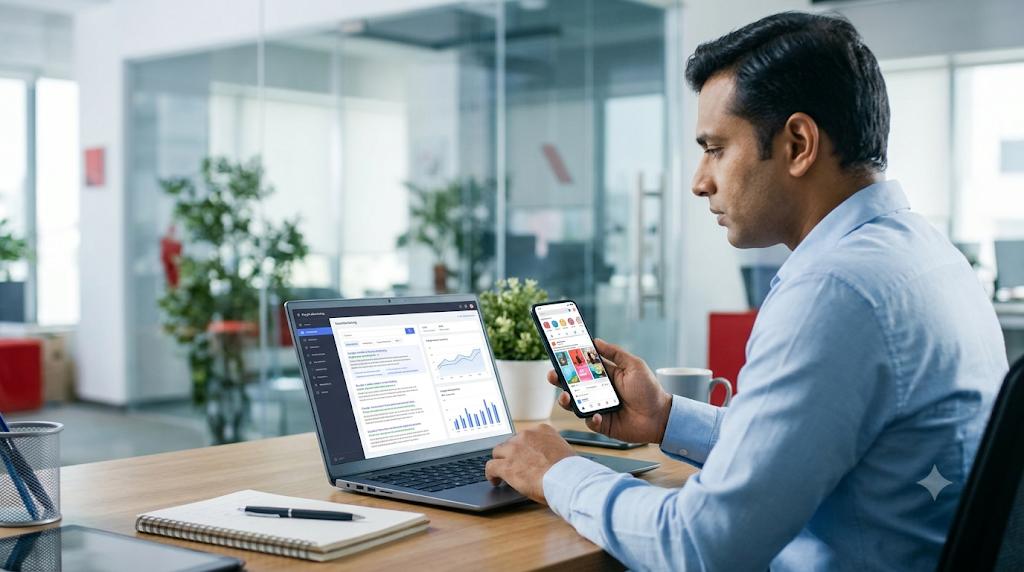
Businesses today have several ways to reach potential customers online. Among the most popular digital advertising options are Google Ads and social media advertising.
Both platforms help businesses promote their products and services, but they work differently.
Google Ads can help businesses reach people actively searching for specific products or services. Social media advertising can help brands connect with audiences based on their interests, demographics, behaviours, and other targeting options.
So, which one should your business choose?
The answer depends on your marketing goals, target audience, budget, and the type of products or services you offer.
In this guide, we compare Google Ads vs Social Media Ads to help businesses in Bhubaneswar, Cuttack, and across Odisha make better advertising decisions.
What Are Google Ads?
Google Ads is Google's online advertising platform. Businesses can use it to display advertisements across eligible Google properties and partner placements.
One popular format is Search Ads, which can appear when users search for relevant keywords on Google.
For example, someone searching for:
Website development company in Bhubaneswar
Digital marketing agency in Cuttack
Software development services in Odisha
SEO company near me
may see relevant sponsored search results.
Google Ads offers several campaign types, including:
Search campaigns
Display campaigns
Video campaigns
Shopping campaigns
App campaigns
Performance Max campaigns
The suitable campaign type depends on the business objective and advertising requirements.
Benefits of Google Ads
1. Reach People With Search Intent
Search campaigns can help businesses connect with people actively looking for particular products or services.
2. Keyword-Based Targeting
Advertisers can select relevant keywords and manage how their ads appear for search queries.
3. Flexible Budget Control
Businesses can set campaign budgets and adjust bids according to their advertising strategy.
4. Measurable Performance
Google Ads provides reporting on metrics such as impressions, clicks, conversions, and cost.
5. Different Advertising Formats
Businesses can use search, display, video, and other campaign formats depending on their goals.
What Are Social Media Ads?
Social media advertising involves promoting content, products, or services through paid campaigns on social networking platforms.
Popular platforms include:
Facebook
Instagram
LinkedIn
YouTube
Pinterest
For many businesses, Meta Ads through Facebook and Instagram are important options for reaching potential customers.
Advertisers can use different formats, including:
Image advertisements
Video advertisements
Carousel advertisements
Story advertisements
Reels advertisements
Lead generation advertisements
Social media ads are particularly useful for visual storytelling, brand awareness, audience engagement, and product discovery.
Benefits of Social Media Ads
1. Interest-Based Audience Targeting
Depending on the platform and available settings, businesses can reach audiences based on demographics, interests, behaviours, and other targeting signals.
2. Visual Brand Promotion
Images, videos, carousels, and reels help businesses demonstrate products and communicate their brand message.
3. Brand Awareness
Social media ads can introduce your business to people who may not be actively searching for your products or services.
4. Retargeting Opportunities
Businesses can use eligible audience data to reconnect with people who have previously interacted with their website or social media presence, subject to platform policies and consent requirements.
5. Different Campaign Objectives
Advertisers can select objectives such as awareness, traffic, engagement, leads, and sales, depending on platform availability.
Google Ads vs Social Media Ads: Key Differences
| Comparison Factor | Google Ads | Social Media Ads |
|---|---|---|
| Main Approach | Reaches users through search intent and other placements | Reaches audiences through social platforms |
| Audience Targeting | Keywords, location, demographics, and other options | Demographics, interests, behaviours, and other options |
| Best Known For | Capturing existing demand | Building awareness and generating interest |
| Ad Formats | Search, display, video, shopping, and more | Images, videos, reels, stories, carousels |
| User Intent | Often higher when users search for a specific service | Often discovery or interest-based |
| Budget | Flexible campaign budgets | Flexible campaign budgets |
| Performance Tracking | Clicks, conversions, search terms, and cost | Reach, engagement, clicks, leads, and conversions |
| Suitable Businesses | Local services, professional services, products | Retail, restaurants, lifestyle brands, B2B and B2C businesses |
Both platforms can support different stages of the customer journey.
Which Advertising Platform Is Better for Your Business?
There is no single platform that works best for every business.
Let's understand when each option may be more suitable.
1. Choose Google Ads If Customers Are Already Searching for Your Services
Google Ads Search campaigns may be useful when people actively search for the services you provide.
For example, a website development company in Bhubaneswar may target relevant search queries from businesses looking for website development services.
This approach can help connect the business with potential customers who already have a requirement.
2. Choose Social Media Ads If You Want to Build Brand Awareness
Social media advertising can be useful when your goal is to introduce your brand, showcase products, or create interest among potential customers.
For example, a clothing store in Cuttack can use Instagram and Facebook ads to showcase its latest collection through photos, reels, and promotional videos.
3. Choose Google Ads for High-Intent Local Searches
Businesses offering services such as website development, repairs, professional consulting, or home services may benefit from targeting relevant search queries.
A carefully planned campaign can help reach users searching for these services in their target locations.
4. Choose Social Media Ads for Visual Products
Businesses that depend on product presentation may find social media advertising useful.
Examples include:
Restaurants
Fashion stores
Beauty businesses
Resorts
Fitness centres
Event businesses
High-quality visuals and videos can help communicate the value of these products and services.
Google Ads vs Meta Ads: What About Advertising Costs?
Advertising costs vary across industries, locations, keywords, audiences, competition, and campaign objectives.
Neither Google Ads nor Meta Ads has one fixed cost for every business.
Your advertising expenses may depend on:
Target audience
Location
Competition
Campaign objective
Keyword selection
Ad quality
Bidding strategy
Landing page experience
Conversion performance
Before starting a campaign, decide how much your business can afford to spend and what results you want to measure.
Do not evaluate advertising only by the number of clicks or impressions. Qualified leads, enquiries, and sales are often more meaningful business outcomes.
Can You Use Google Ads and Social Media Ads Together?
Yes. Using both platforms can create a more connected advertising strategy.
For example, imagine a software company based in Bhubaneswar.
It can use:
Google Ads: Reach people searching for website development or software services.
Facebook and Instagram Ads: Promote project showcases, educational videos, and brand content.
Remarketing: Reconnect with eligible website visitors or people who have interacted with previous campaigns.
Landing Pages: Direct interested users to relevant service pages with clear enquiry options.
This approach can help businesses reach customers at different stages of their decision-making process.
However, each campaign should have a clear purpose and measurable objective.
5 Important Tips Before Running Paid Advertising Campaigns
1. Define Your Campaign Objective
Decide whether you want website traffic, brand awareness, enquiries, app installations, or sales.
Your campaign objective should match your business goal.
2. Understand Your Target Audience
Identify the people most likely to need your products or services.
Consider their location, requirements, interests, and purchasing behaviour.
3. Create High-Quality Ad Creatives
Use clear images, relevant videos, compelling headlines, and simple messages.
Your advertisements should explain the value of your offering.
4. Optimize Your Landing Page
Sending advertising traffic to a poorly designed website can waste opportunities.
Make sure your landing page:
Loads properly on mobile devices
Clearly explains the service
Includes relevant information
Has a visible call to action
Provides easy contact options
5. Monitor and Optimize Performance
Review campaign performance regularly.
Important metrics include:
Impressions
Clicks
Click-through rate
Cost per click
Cost per lead
Conversion rate
Return on ad spend
Use the data to identify which campaigns, audiences, and advertisements are performing well.
Common Paid Advertising Mistakes Businesses Should Avoid
Many businesses spend money on advertisements without having a proper strategy.
Avoid these common mistakes:
Running ads without a clear objective
Targeting an irrelevant audience
Using poor-quality creatives
Sending visitors to unrelated landing pages
Ignoring conversion tracking
Making decisions based only on clicks
Not testing different ad variations
Stopping campaigns without reviewing performance
Expecting guaranteed sales
Paid advertising requires regular monitoring, testing, and improvement.
Which Advertising Strategy Is Suitable for Businesses in Bhubaneswar and Cuttack?
Businesses in Bhubaneswar and Cuttack operate across different industries, so their advertising requirements can vary.
Here are some general examples:
| Business Type | Potentially Suitable Advertising Approach |
|---|---|
| Website Development Company | Google Search Ads + LinkedIn or Meta Ads |
| Restaurant | Instagram and Facebook Ads |
| Clothing Store | Instagram and Facebook Ads |
| Fitness Centre | Meta Ads + Google Search Ads |
| Educational Institute | Google Search Ads + Social Media Ads |
| Software Company | Google Search Ads + LinkedIn Ads |
| Resort or Hotel | Google Search Ads + Instagram Ads |
These are starting points rather than fixed recommendations. The right platform depends on the target customer, service, budget, and campaign objective.
How Odizo Can Help With Digital Advertising
Odizo provides digital marketing and technology solutions to help businesses strengthen their online presence.
Our services include:
Digital Marketing
Social Media Marketing
Search Engine Optimization
Website Development
Graphic Design
Video Production
Application Development
Custom Software Development
A successful advertising campaign requires more than simply publishing an advertisement. It involves understanding the audience, selecting the right platform, creating relevant content, optimizing landing pages, and tracking results.
Odizo helps businesses explore digital solutions based on their marketing requirements and business goals.
Whether you want to improve your online visibility, promote your services, or generate relevant enquiries, a planned digital marketing strategy can help you move in the right direction.
Looking to promote your business online? Contact Odizo to discuss your digital marketing requirements.
Frequently Asked Questions
1. Which is better: Google Ads or Social Media Ads?
Google Ads may be more suitable for reaching people actively searching for specific products or services. Social media ads may be better for brand awareness, visual promotion, and audience discovery. The right choice depends on your marketing objective.
2. Are Google Ads more expensive than Facebook and Instagram Ads?
Not necessarily. Advertising costs depend on industry competition, audience, location, campaign objective, and other factors. Both platforms offer flexible budget options.
3. Can small businesses use Google Ads?
Yes. Small businesses can run Google Ads with budgets suited to their requirements. Careful keyword selection, location targeting, and conversion tracking are important.
4. Are Instagram Ads useful for local businesses?
Yes. Instagram advertising can help local businesses showcase products and services through images, reels, stories, and other formats.
5. Should businesses run Google Ads and Meta Ads together?
Businesses can use both platforms to reach audiences at different stages of the customer journey. The decision should depend on available budget, audience behaviour, and campaign goals.
6. How do I measure the success of paid advertising?
Track meaningful metrics such as qualified leads, conversion rate, cost per lead, sales, and return on ad spend. The most useful metrics depend on your campaign objective.
Conclusion
Google Ads and social media advertising are both valuable parts of digital marketing, but they serve different purposes.
Google Ads can help businesses connect with people searching for relevant products and services, while social media ads can help build brand awareness, showcase offerings, and create customer interest.
For businesses in Odisha, the best advertising strategy depends on the target audience, industry, budget, and marketing objectives.
Start with a clear goal, select the right platform, create relevant advertisements, and monitor performance regularly.
Want to reach more potential customers online? Connect with Odizo to explore digital marketing and advertising solutions for your business.
More Helpful Articles
View all articles7 Reasons Your Business Website Is Not Getting Customers
Is your business website failing to generate customers? Discover 7 common website problems and learn how SEO, website speed, mobile optimization, and effective CTAs can help attract visitors and generate more leads.